Traditional Herbal Knowledge
Exploring Asphaltum Punjabianum and Panax Ginseng in Historical Context
Exploring Asphaltum Punjabianum and Panax Ginseng in Historical Context
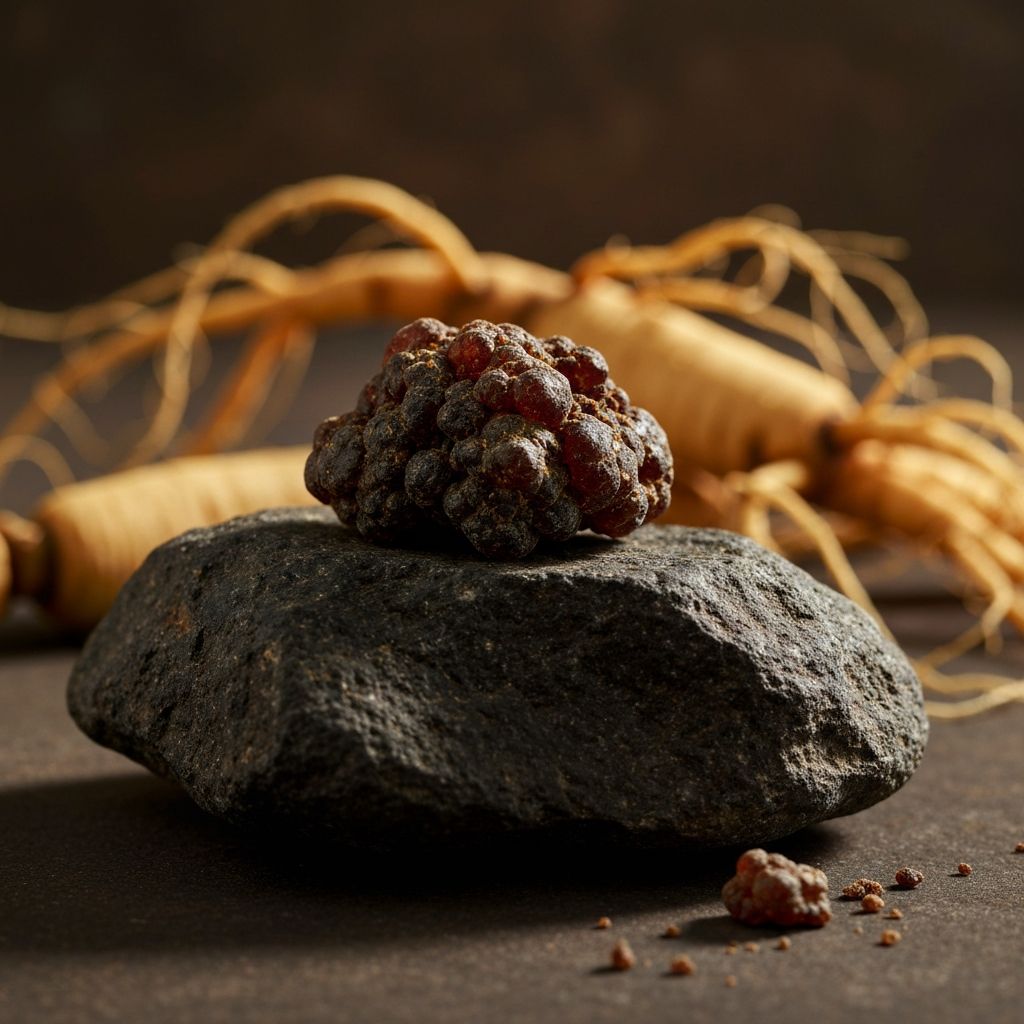
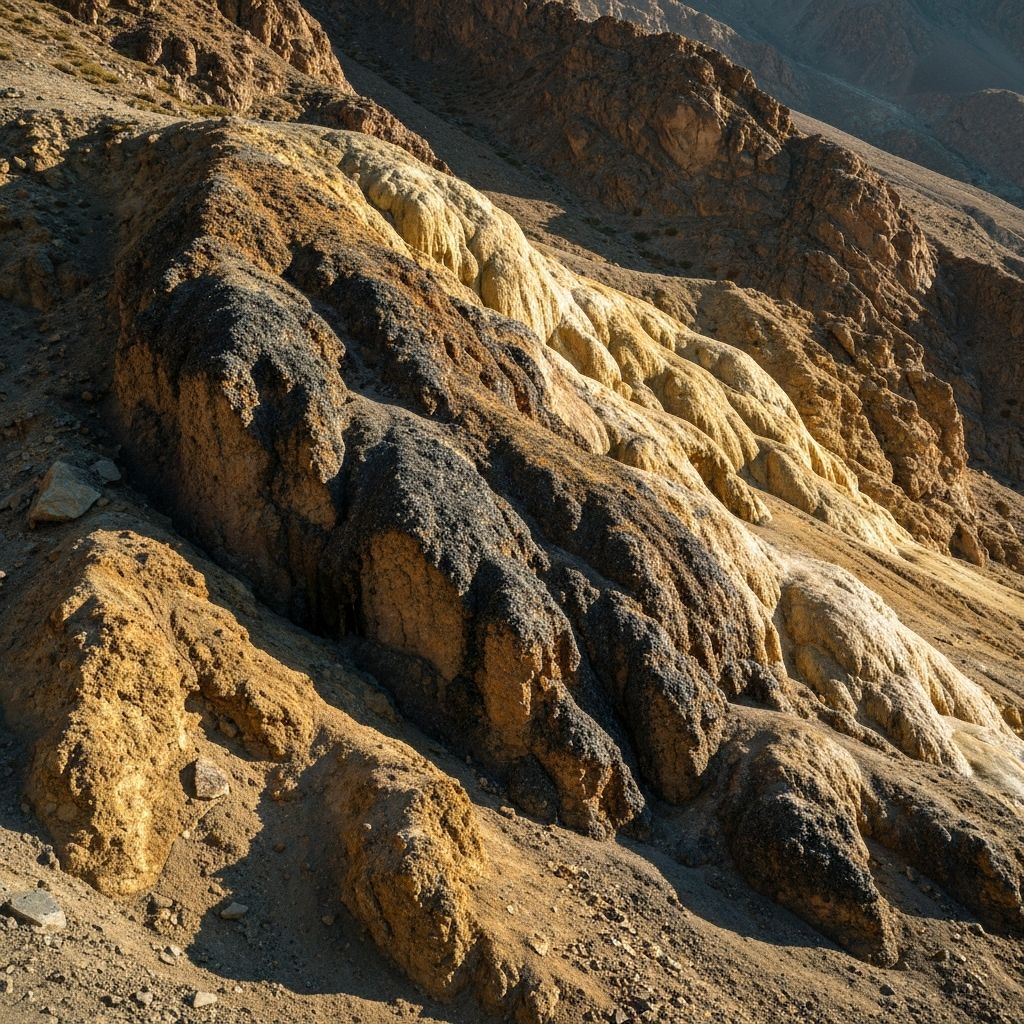
Asphaltum punjabianum, commonly known as shilajit, is a naturally occurring mineral pitch found in the mountainous regions of the Himalayas and surrounding high-altitude areas. This organic-mineral complex forms over centuries from the decomposition of plant matter and mineral-rich organisms in geological formations.
The substance appears as a dark, tar-like resin with a distinctive composition rich in fulvic and humic acids, along with various trace minerals. Its formation is deeply rooted in the geological history of the regions where it is discovered, particularly in areas with specific mineral deposits and ancient organic layers.
Traditional collection methods in mountainous communities involve careful extraction during specific seasons when the resin naturally emerges from rock formations. The harvested material has been part of cultural practices in Himalayan and Central Asian traditions for centuries.
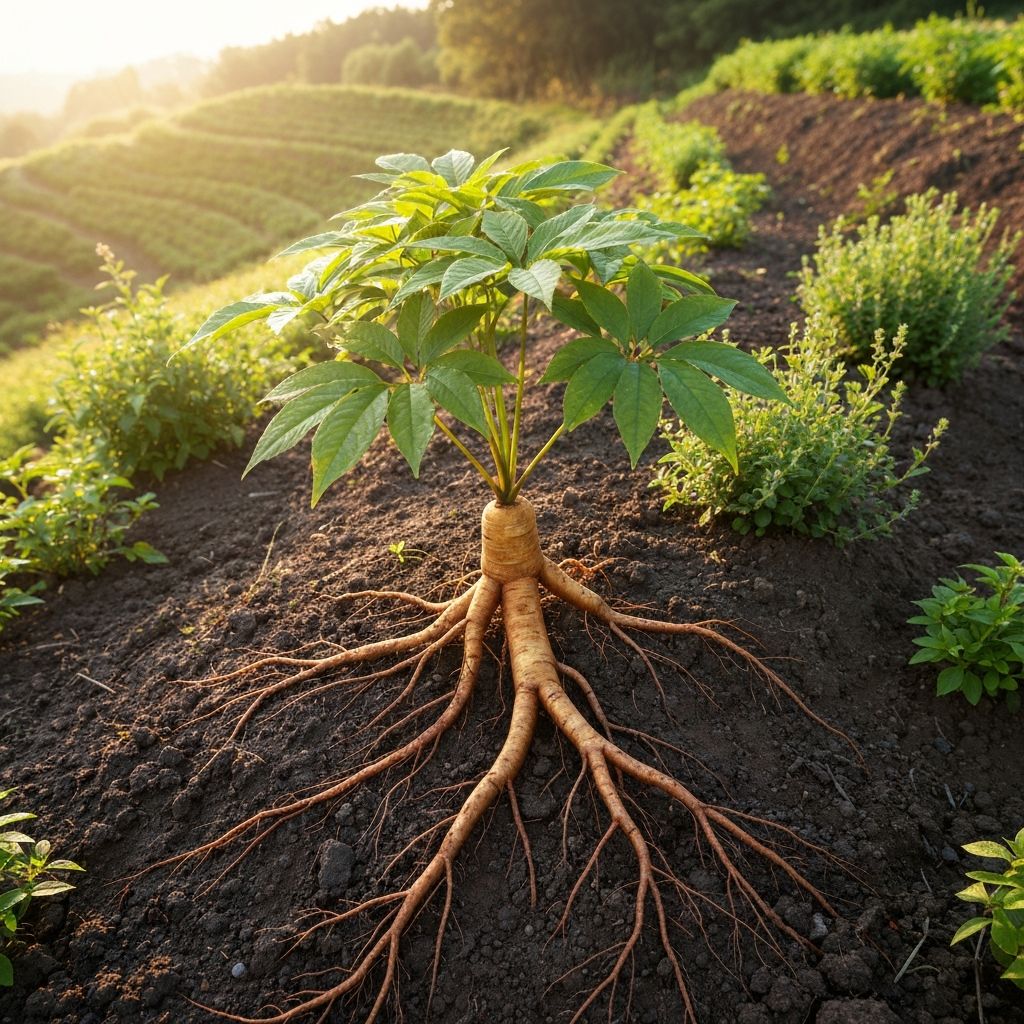
Panax ginseng, commonly known as Asian ginseng, is a perennial plant belonging to the Araliaceae family. It is characterized by distinctive compound leaves and a thick, fleshy root that forms the basis for its traditional use. The plant thrives in temperate forest environments across East Asia, particularly in Korea, China, and Manchuria.
Regional cultivation practices have developed over millennia, with each area developing specific methods suited to local climate and soil conditions. The plant requires several years to reach maturity, making traditional cultivation a patient and methodical practice.
The roots display considerable variation in size and shape depending on growing conditions and age. In traditional contexts, older roots are particularly valued for their complexity and developed character. Regional differences in cultivation have led to distinct varieties recognized within East Asian herbal traditions.
In traditional practices, Asphaltum punjabianum undergoes various purification processes. Folk methods have historically involved heating, filtering through plant materials, and dissolution in water or alcohol-based preparations to remove mineral impurities and concentrate the active components.
Panax ginseng roots are traditionally processed through careful drying techniques that preserve their structure and chemical composition. Historical methods include air-drying in controlled environments and partial steaming followed by drying. Roots are often sliced to specific thicknesses for easier preparation into infusions, decoctions, and powders.
Asphaltum punjabianum contains fulvic acids and humic acids as major organic components. These are complex organic molecules that form through the oxidation and decomposition of organic matter. Fulvic acids are characterized by their small molecular weight and complex structure, while humic acids represent larger polymeric formations.
Panax ginseng roots contain a class of natural compounds known as ginsenosides. These are triterpene glycosides with complex structures that vary depending on the specific root variety and growing conditions. Different ginsenosides have distinct chemical properties and are studied for their diverse characteristics.
Both substances contain various trace minerals and elements. Asphaltum punjabianum naturally incorporates minerals from its geological environment, while Panax ginseng absorbs minerals from the soil where it grows. These mineral profiles vary based on geographic location and soil composition.
In Ayurvedic tradition, Asphaltum punjabianum holds a place within the broader framework of mineral and herbal use. Traditional texts reference this substance as part of the natural materials used in various wellness practices, though within a specific context of Ayurvedic philosophy and methodology.
Panax ginseng has occupied a significant place in East Asian herbal traditions for centuries. In traditional Chinese medicine and Korean herbalism, ginseng is discussed within the context of balance and harmony in daily living. Regional variations in its traditional use reflect local environmental and cultural contexts.
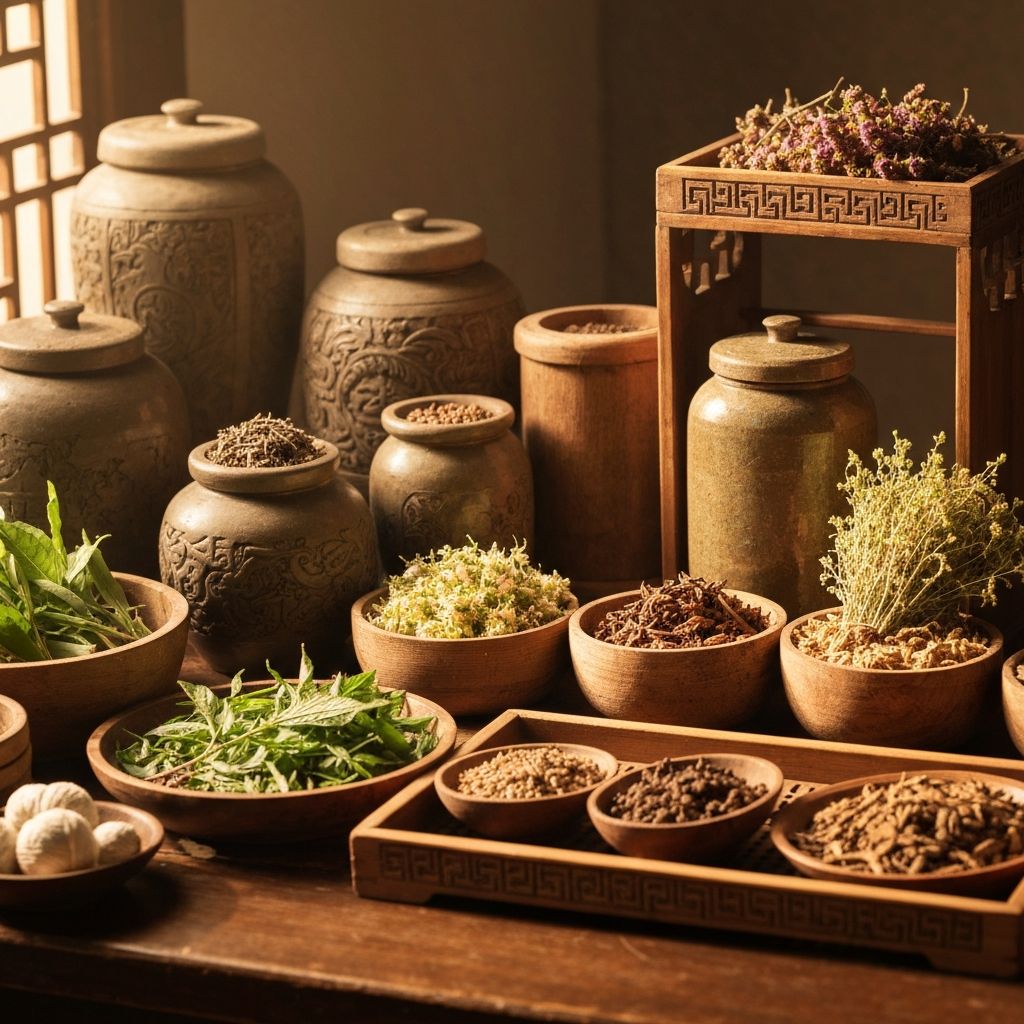
Traditional herbal knowledge includes various historical accounts of combining mineral and plant materials. These combinations are documented in historical texts as part of folk practices across different regions and time periods.
Historical records indicate that knowledge of different herbal and mineral materials was shared across cultural and geographical boundaries through trade routes and cultural exchange. Some traditional practitioners documented the use of materials from different regions in combination with local resources.
Historical texts reference various compositions combining mineral pitches with root preparations, though specific formulations varied considerably based on regional availability and traditional practice. These historical references provide insight into how different cultures valued and combined natural materials.
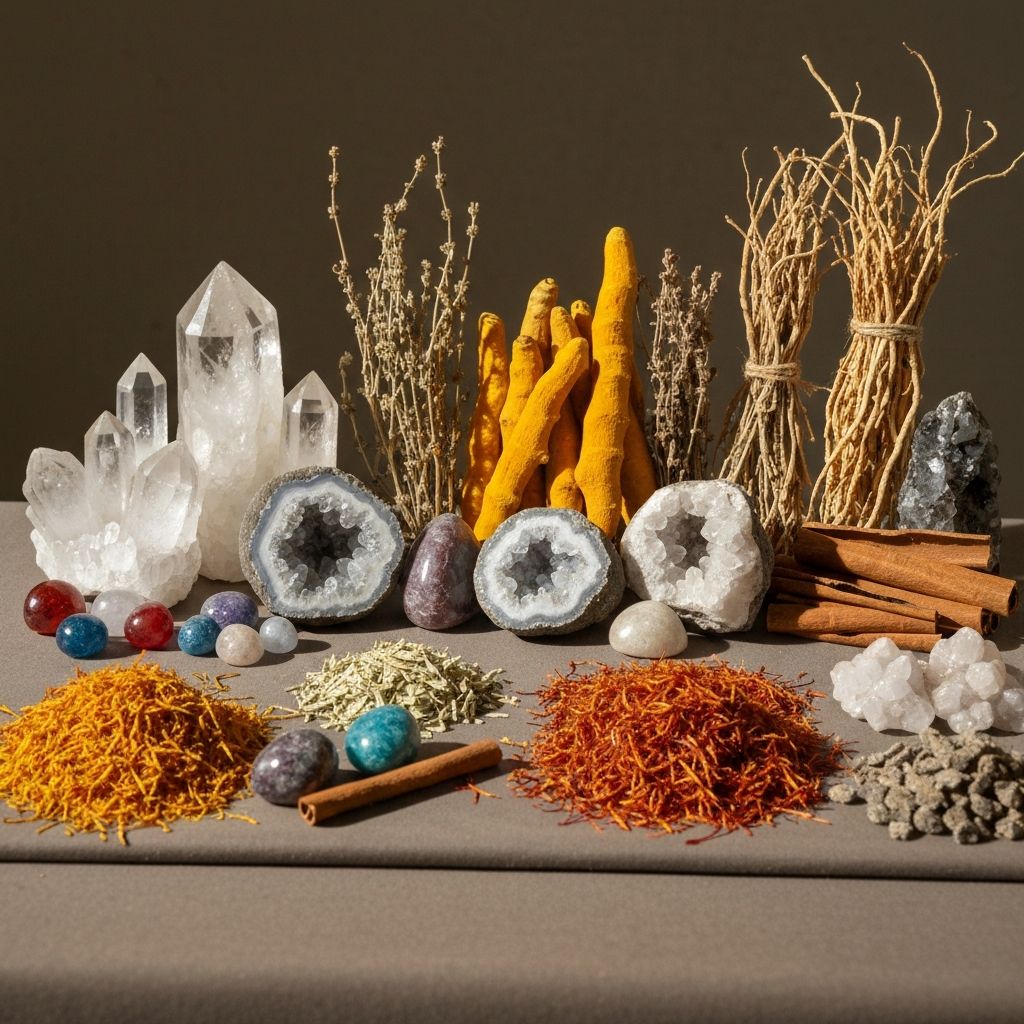
Breathing practices from various wellness traditions emphasize simple diaphragmatic engagement. Basic techniques involve slow, deep breathing that emphasizes the diaphragm's natural movement, patterns documented in traditional wellness literature across various cultures.
Traditional practices from various cultures describe structured breathing patterns that follow specific timing ratios. These approaches, such as equal-count breathing or extended exhalation techniques, are part of general wellness knowledge that focuses on calm and centered awareness.
Historical and contemporary wellness traditions suggest incorporating simple breathing practices into daily routines. These can be practiced in various settings and require no special equipment, serving as general techniques for awareness and calm regardless of individual circumstances.
Traditional relaxation approaches include progressive awareness methods that involve sequential attention to different areas of the body or environment. These neutral techniques focus on observation and awareness without judgment or particular outcome expectations.
Wellness traditions emphasize the role of environment in relaxation practices. Spending time in natural settings, paying attention to sensory experience, and creating calm spaces are documented approaches in various cultural traditions for supporting general well-being.
Short relaxation techniques fit into various daily schedules and can be practiced anywhere. Brief periods of focused awareness, gentle stretching awareness, and simple mindfulness approaches represent general wellness concepts accessible to people across different life situations.
Nutritional knowledge emphasizes the importance of dietary diversity to support various aspects of daily functioning. A broad approach to nutrition includes consumption of diverse plant and animal sources, each contributing different nutritional profiles.
General nutritional science recognizes that various minerals and vitamins play specific roles in supporting different bodily functions. These include bone structure, energy metabolism, immune function, and numerous other processes essential to daily functioning.
Across various cultural traditions, food and plant materials have been understood as primary sources of nourishment. Traditional dietary approaches reflect local availability and developed wisdom about combining different foods for comprehensive nutritional support.
Nutritional approaches consider the connection between diet and activity levels. Different activity patterns may require different nutritional strategies, and traditional approaches have historically addressed this relationship through dietary composition and timing.
All content on this website is provided for educational and informational purposes only. The materials present factual information about traditional practices, botanical characteristics, and historical uses of the substances discussed. This is not personal health guidance, medical advice, or recommendations for individual use.
Different individuals have different needs, circumstances, and preferences regarding their daily routines and dietary choices. The information here reflects general knowledge and historical contexts, not prescriptions applicable uniformly to all people.
This website does not provide personalized recommendations regarding which practices, substances, or approaches are appropriate for any specific individual. Decisions about personal dietary, herbal, or wellness practices should be made based on individual circumstances, preferences, and consultation with appropriate professionals as needed.
For questions about specific health situations, medical conditions, or professional medical guidance, individuals should consult with qualified healthcare professionals. This educational resource complements rather than replaces professional medical judgment.
Learn more about traditional herbal and mineral knowledge through our educational resources.
Explore Traditional Forms